Blanc: A short, cooperative art-adventure about companionship
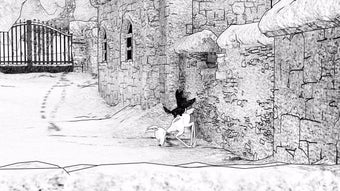
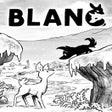
Blanc, from Casus Ludi, is an artistic cooperative adventure that explores companionship in a stark winter landscape. Players solve environmental puzzles together, move through cinematic set pieces, and follow subtle visual cues across scenes while the narrative unfolds without text. The game pairs hand-drawn monochrome visuals with simple controls and a short, cinematic runtime. It targets cooperative indie fans, families, and players who prefer visual storytelling over dialogue.
Closer to Journey than to a survival sandbox, a compact two-character fable
This is a focused narrative about two stranded animals forced to cooperate after a sudden snowstorm. The player-driven motivation is reunion: the characters track a trail of footprints to reach their families. The experience emphasizes mutual aid and avoidance of combat, framing each encounter as a cooperative environmental puzzle rather than a resource or survival loop, which keeps the session concise and deliberately paced.
Cooperation and mechanics demand simple coordination, not dexterous inputs
The control scheme uses only movement and two buttons, so interactions stay deliberately minimal. Character roles are distinct: the wolf can pull objects and cut ropes with its teeth, while the fawn jumps higher and serves as a living platform. The game supports both local shared-screen play and online multiplayer, and a single-player option lets one person switch between both roles during puzzles.
Art and audio create a paper-drawn winter atmosphere
Visuals are hand-drawn on paper, then placed into a three-dimensional snowy world, producing a monochrome aesthetic that reads like animated etchings. Sound design and motion carry the emotional beats in the absence of written language, so the score and ambient effects do the storytelling work. The interface keeps on-screen elements to a minimum, preserving the cinematic, observational pace.
Short progression rewards a single session but limits long-term replay
Puzzle design leans toward accessibility, with many observers noting modest challenge and a typical runtime of two to three hours. That brevity makes the experience well suited for an evening with a friend or family, yet the limited mechanical variation reduces incentives for repeated playthroughs beyond appreciation of the visuals and companionship-focused narrative.
In summary, the game suits players seeking a brief, cooperative emotional experience
The game is a thoughtful, low-stress choice for players who value visual storytelling and short cooperative sessions with a friend or partner. Players looking for deep mechanical systems, extended progression, or competitive play should expect a limited scope. For those prioritizing atmosphere and shared moments over complexity, the game offers a clear, memorable single-session experience.